Forestry Clearing in Houston, TX
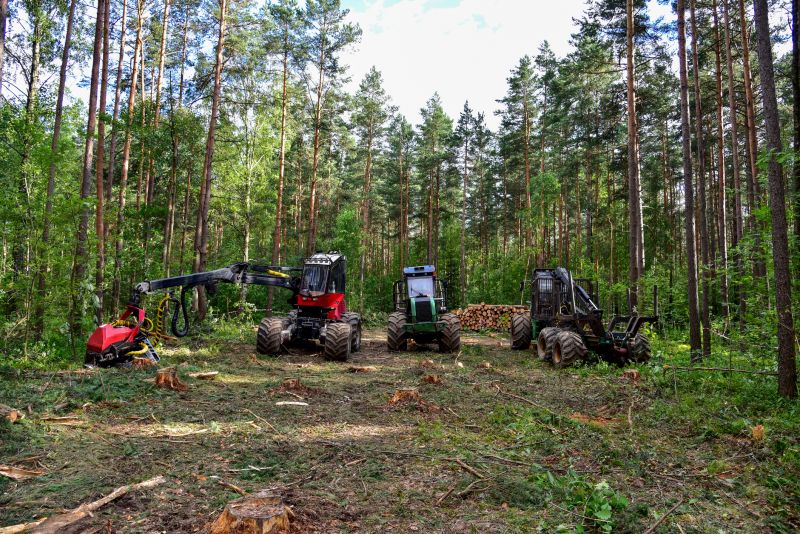
Forestry clearing services involve the removal of trees, brush, and other vegetation to prepare land for various projects or to improve the health and safety of a property. These services are often used for creating open spaces, building sites, agricultural development, or clearing overgrown areas that could pose fire hazards or obstruct views. Property owners typically request forestry clearing when they need to expand their yard, install new structures, or manage dense wooded areas that hinder access or visibility.
Before requesting forestry clearing, property owners should consider the extent of vegetation to be removed, the type of trees and plants involved, and any local regulations or permits that may apply. It is also helpful to understand the desired outcome, such as whether the goal is complete land removal or selective clearing to preserve certain trees or natural features. Clarifying these details can help ensure the project aligns with land management goals and property use plans.
Many property owners in Houston, TX look into Forestry Clearing for repairs, replacements, upgrades, and appearance-related improvements.
Land Clearing For Development
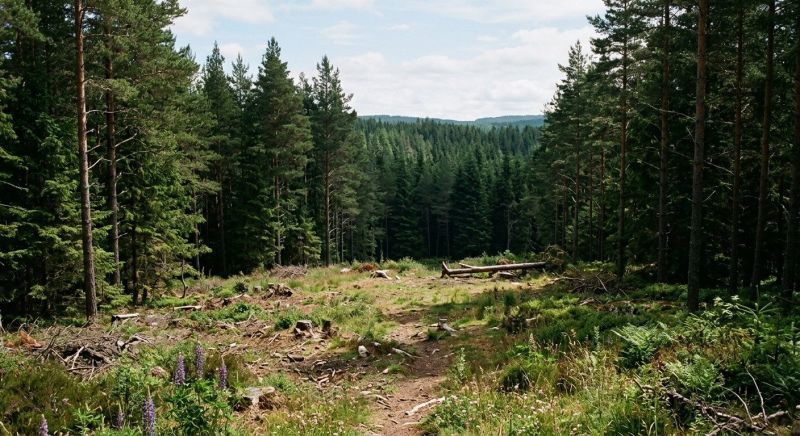
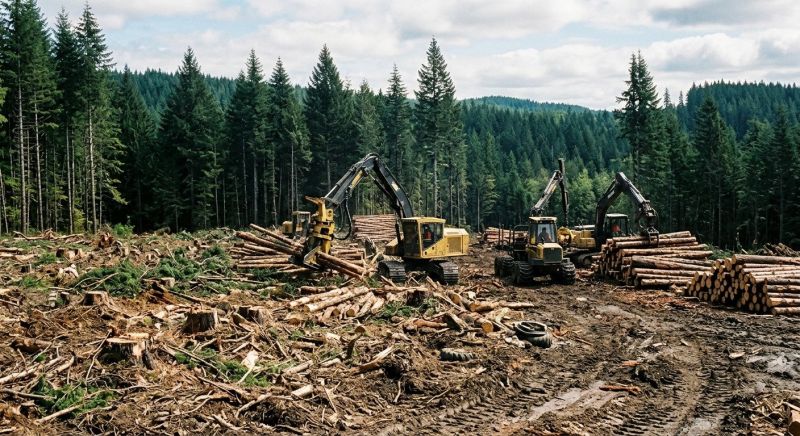
Preparing properties for construction or landscaping projects in houston often involves removing trees and brush.
Overgrown Property Maintenance
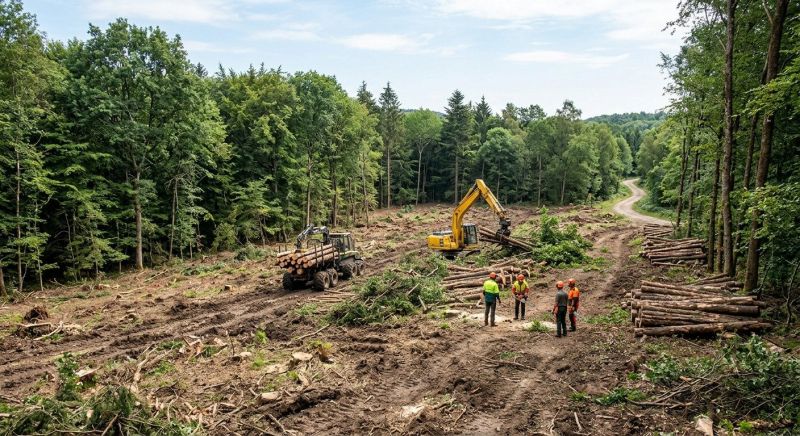
Clearing overgrown lots helps improve safety and aesthetics for residential and commercial properties.
Emergency Brush Removal
Quickly removing fallen trees and debris after storms helps restore safety and access to affected areas in houston.
Forestry Clearing in Houston, TX

Forestry clearing services involve the removal of trees, brush, and other vegetation to prepare land for various projects or to improve the health and safety of a property. These services are often used for creating open spaces, building sites, agricultural development, or clearing overgrown areas that could pose fire hazards or obstruct views. Property owners typically request forestry clearing when they need to expand their yard, install new structures, or manage dense wooded areas that hinder access or visibility.
Before requesting forestry clearing, property owners should consider the extent of vegetation to be removed, the type of trees and plants involved, and any local regulations or permits that may apply. It is also helpful to understand the desired outcome, such as whether the goal is complete land removal or selective clearing to preserve certain trees or natural features. Clarifying these details can help ensure the project aligns with land management goals and property use plans.
Many property owners in Houston, TX look into Forestry Clearing for repairs, replacements, upgrades, and appearance-related improvements.
Common Forestry Clearing Jobs
Forestry clearing involves removing trees and brush to improve property safety and access.
Land clearing helps create open spaces for construction, landscaping, or farming needs.
Tree removal addresses hazardous or unwanted trees that pose risks or obstruct views.
Brush removal clears overgrown areas to reduce fire hazards and enhance property appearance.
Stump grinding eliminates remaining tree stumps to facilitate future landscaping or development.
Selective clearing targets specific areas for removal while preserving desirable trees and vegetation.
Forestry Clearing Questions
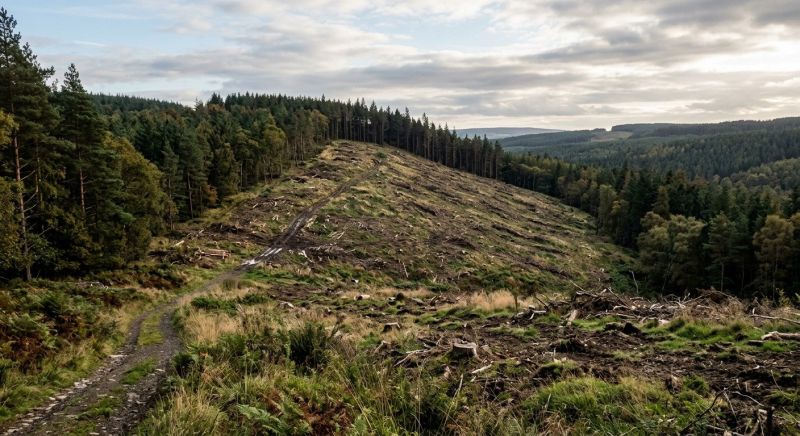
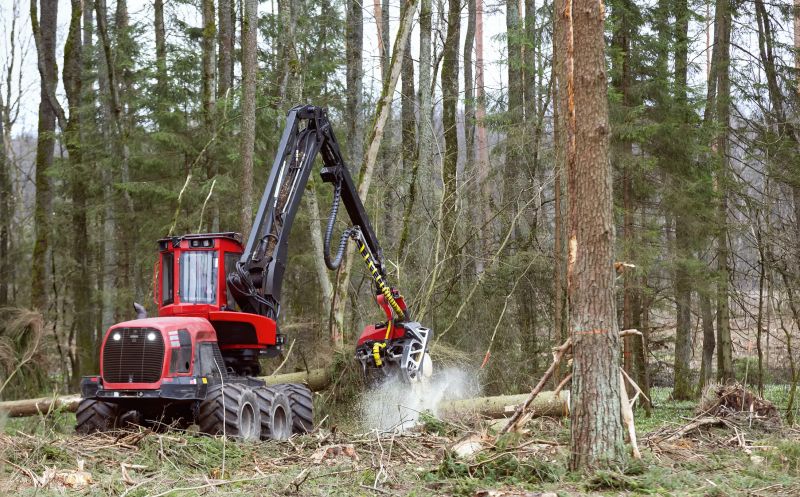
What is forestry clearing used for? It is commonly used to prepare land for construction, agriculture, or to remove overgrown vegetation for safety and access.
What types of trees and vegetation can be cleared? Most common types include small to medium-sized trees, shrubs, and dense underbrush.
Is forestry clearing suitable for residential properties? Yes, it can help improve yard space, remove hazard trees, or clear areas for landscaping projects.
What should property owners consider before clearing? It’s important to assess the land, identify any protected species, and plan for proper disposal of cleared material.
Request Forestry Clearing in Houston, TX
Use the quote form on this page to share the basics of your project and request more information for the type of work you need.