Cherry Tree Removal in Allentown, PA
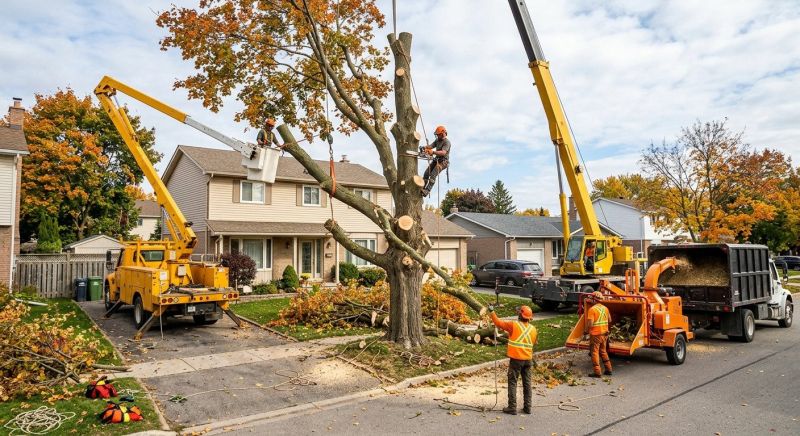
Cherry tree removal services involve the careful elimination of cherry trees that are diseased, damaged, or no longer suitable for a property. These projects typically include removing entire trees, including roots, to prevent potential hazards or to prepare the land for new landscaping or construction. Property owners often seek this service to improve safety, manage overgrowth, or enhance the appearance of their yard, especially when a cherry tree has become a risk due to disease, storm damage, or structural instability.
Before requesting cherry tree removal, property owners should consider the size and location of the tree, as well as any potential impact on surrounding structures or landscaping. It is also helpful to understand local regulations or restrictions related to tree removal, particularly if the tree is situated in a protected area or near utility lines. Clear communication about the tree’s condition and the desired outcome can ensure the project is completed efficiently and safely.
Many property owners in Allentown, PA look into Cherry Tree Removal for repairs, replacements, upgrades, and appearance-related improvements.
Reasons For Cherry Tree Removal
Removing damaged or diseased cherry trees can improve the safety and appearance of your property.
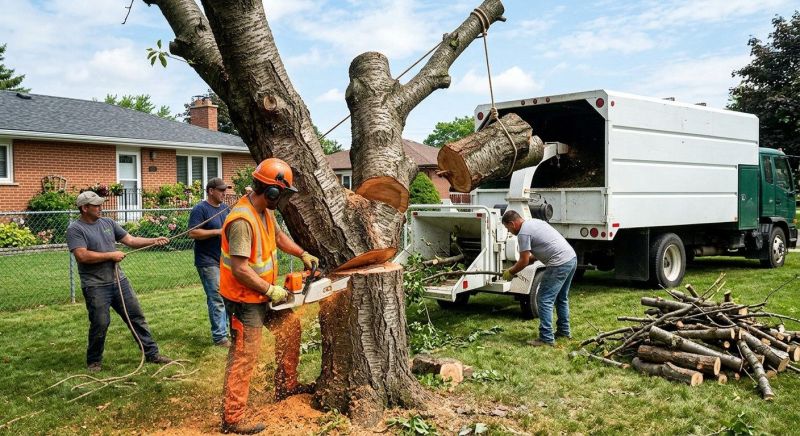
Cherry Tree Removal Process
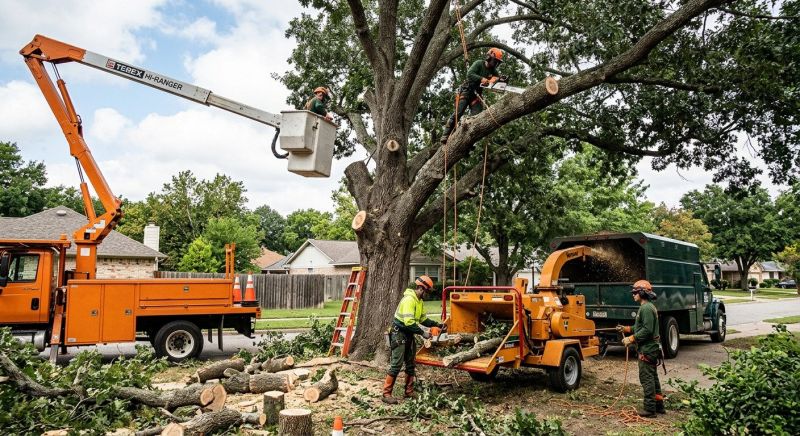
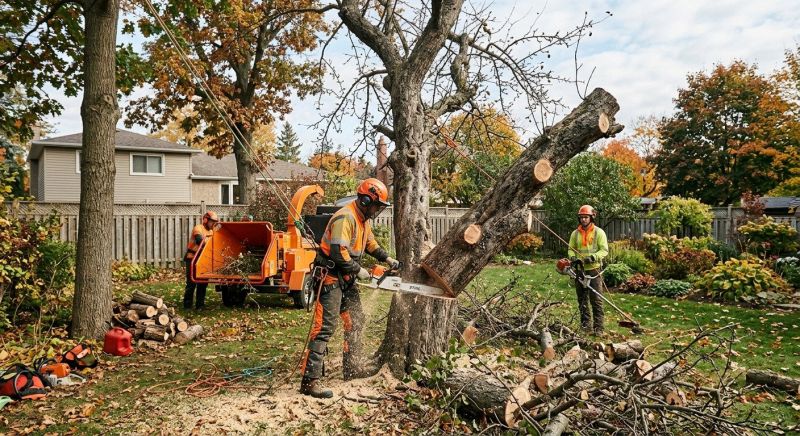
The process involves safely cutting down the tree and removing the debris to prevent damage to surrounding areas.
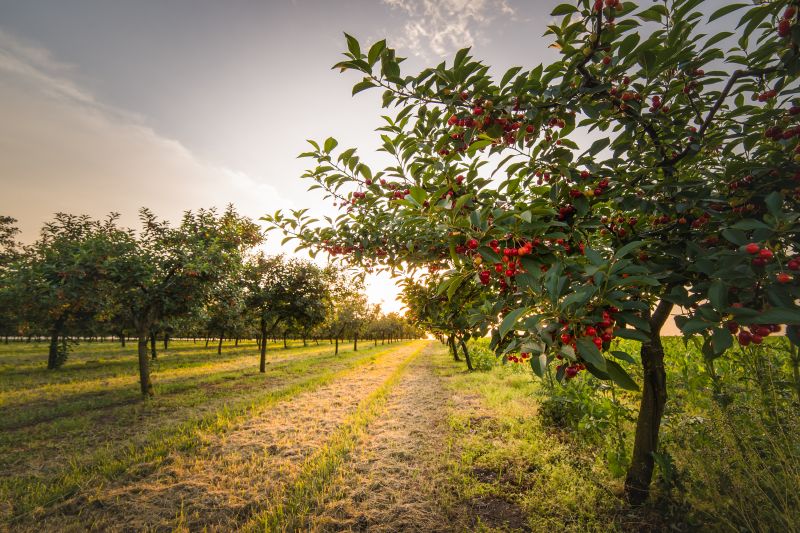
Benefits Of Professional Removal
Professional services ensure the job is done efficiently and safely, preserving the health of your landscape.
Cherry Tree Removal in Allentown, PA

Cherry tree removal services involve the careful elimination of cherry trees that are diseased, damaged, or no longer suitable for a property. These projects typically include removing entire trees, including roots, to prevent potential hazards or to prepare the land for new landscaping or construction. Property owners often seek this service to improve safety, manage overgrowth, or enhance the appearance of their yard, especially when a cherry tree has become a risk due to disease, storm damage, or structural instability.
Before requesting cherry tree removal, property owners should consider the size and location of the tree, as well as any potential impact on surrounding structures or landscaping. It is also helpful to understand local regulations or restrictions related to tree removal, particularly if the tree is situated in a protected area or near utility lines. Clear communication about the tree’s condition and the desired outcome can ensure the project is completed efficiently and safely.
Many property owners in Allentown, PA look into Cherry Tree Removal for repairs, replacements, upgrades, and appearance-related improvements.
Common Cherry Tree Removal Jobs
Cherry tree removal - safely removes unwanted cherry trees to improve landscape appearance.
Stump grinding - eliminates remaining stumps to prevent regrowth and hazards.
Tree pruning - trims cherry trees to promote healthy growth and structure.
Emergency tree removal - handles urgent situations involving fallen or hazardous trees.
Landscape clearing - clears cherry trees and debris for property enhancement projects.
Tree health assessment - evaluates cherry trees for disease or damage requiring removal.
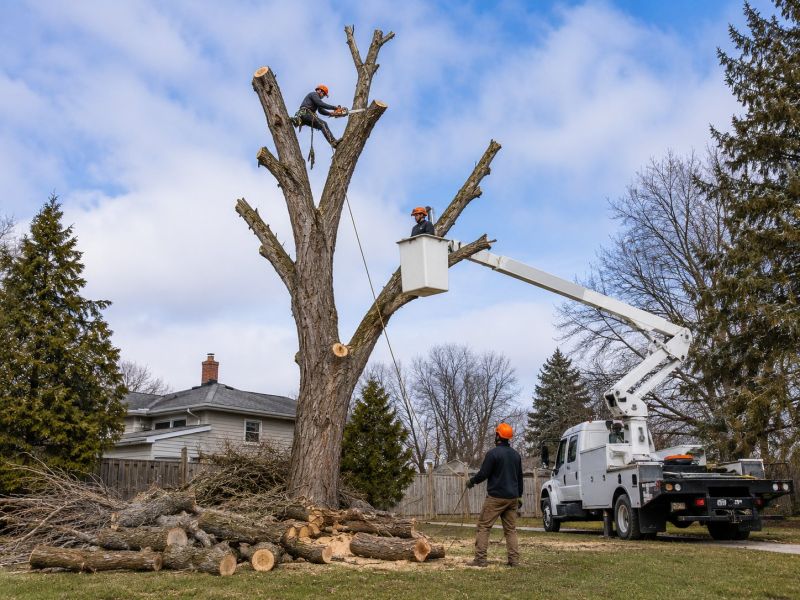
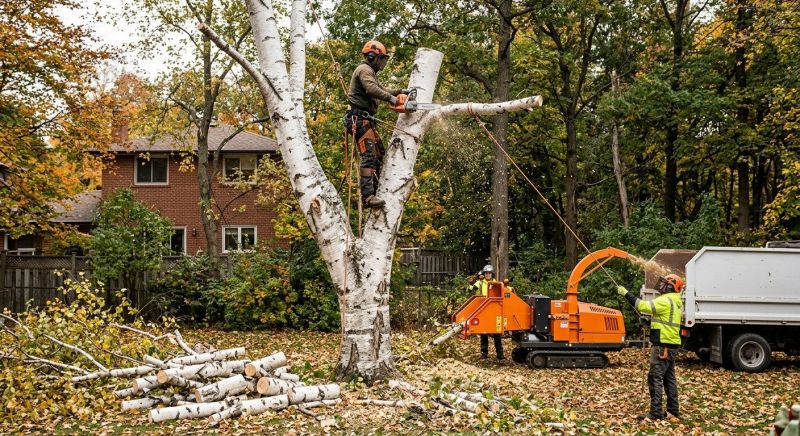
Cherry Tree Removal Questions
What is involved in cherry tree removal? The process includes cutting down the tree, removing the trunk and branches, and cleaning up debris from the property.
Why remove a cherry tree? Removal may be necessary due to disease, damage, safety concerns, or to make space for new landscaping projects.
Is cherry tree removal disruptive? The extent of disruption depends on the size of the tree and the site; professional services aim to minimize impact on the property.
What should property owners know before removal? It's important to consider nearby structures, underground utilities, and local regulations before proceeding with removal.
Request Cherry Tree Removal in Allentown, PA
Use the quote form on this page to share the basics of your project and request more information for the type of work you need.