Tree Trunk Removal in Calvert County, MD
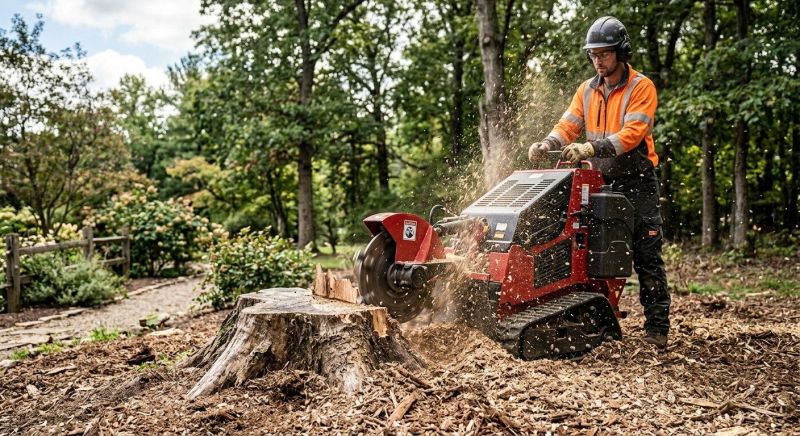
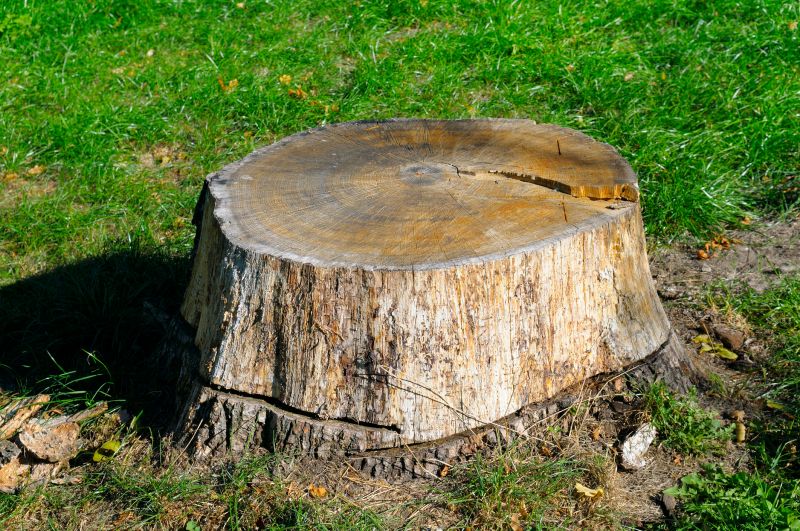
Tree trunk removal services involve the safe and efficient removal of large tree sections, typically after a tree has been cut down or has become hazardous. This process is often requested for projects such as clearing fallen or damaged trees, removing stumps and trunks from properties, or preparing land for construction or landscaping. Property owners usually want to understand the scope of the removal, the methods used, and how the debris will be handled to ensure the site is clean and safe after the work is completed.
Before requesting tree trunk removal, property owners should consider the size and location of the trunks, as well as any potential obstacles or nearby structures. It’s important to clarify whether the service includes grinding stumps or removing roots, and to discuss access points for equipment. Understanding these details helps ensure the project proceeds smoothly and that the property is left in a safe, tidy condition.
Many property owners in Calvert County, MD look into Tree Trunk Removal for repairs, replacements, upgrades, and appearance-related improvements.
Tree Trunk Removal Options
Removing large tree trunks helps improve safety and aesthetics on residential and commercial properties.
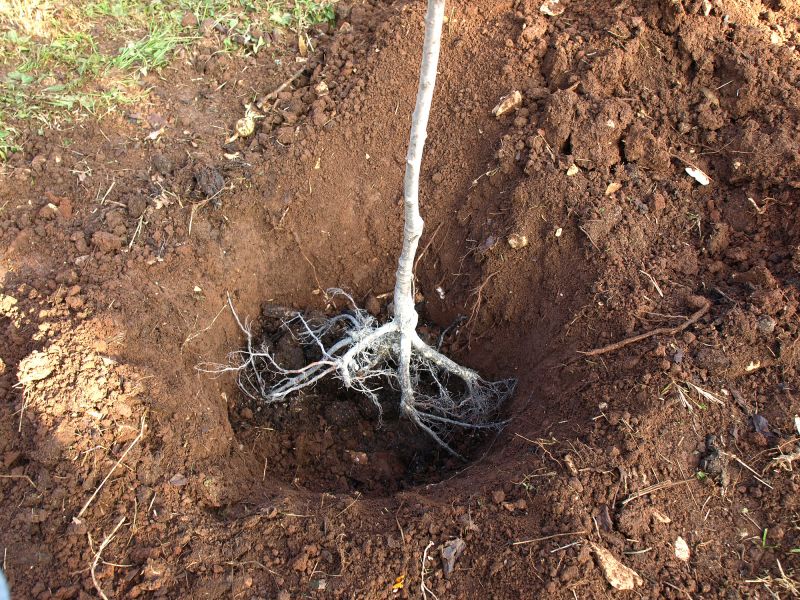
Reasons For Trunk Removal
Common reasons include storm damage, disease, or clearing space for new landscaping projects in calvert county.
Trunk Removal Considerations
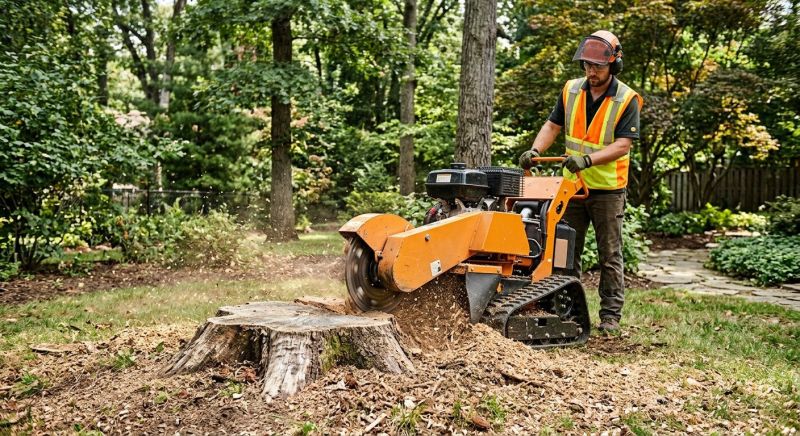
Proper equipment and safety measures are essential for efficient and safe removal of tree trunks from your property.
Tree Trunk Removal in Calvert County, MD
Tree trunk removal services involve the safe and efficient removal of large tree sections, typically after a tree has been cut down or has become hazardous. This process is often requested for projects such as clearing fallen or damaged trees, removing stumps and trunks from properties, or preparing land for construction or landscaping. Property owners usually want to understand the scope of the removal, the methods used, and how the debris will be handled to ensure the site is clean and safe after the work is completed.
Before requesting tree trunk removal, property owners should consider the size and location of the trunks, as well as any potential obstacles or nearby structures. It’s important to clarify whether the service includes grinding stumps or removing roots, and to discuss access points for equipment. Understanding these details helps ensure the project proceeds smoothly and that the property is left in a safe, tidy condition.
Many property owners in Calvert County, MD look into Tree Trunk Removal for repairs, replacements, upgrades, and appearance-related improvements.
Common Tree Trunk Removal Jobs
Tree trunk removal - clearing damaged or dead trunks to improve landscape safety and appearance.
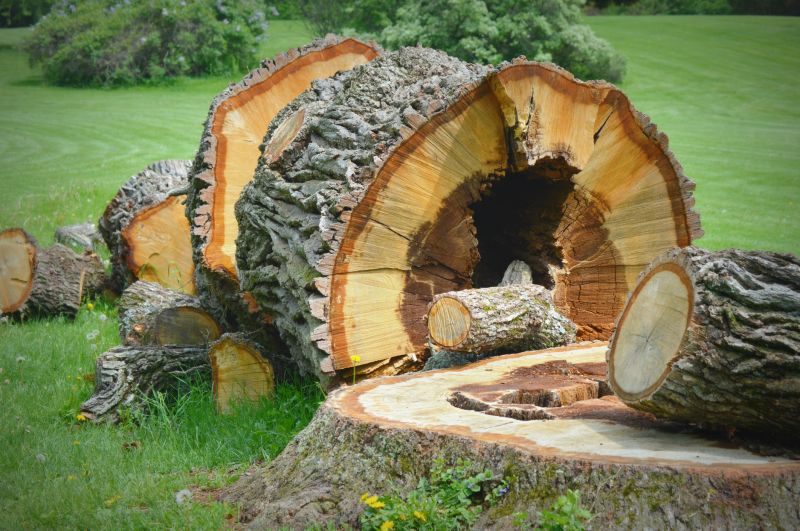
Storm damage cleanup - removing fallen or broken trunks after severe weather events.
Property clearance - eliminating old or unwanted trunks to create space for new landscaping.
Disease control - removing infected trunks to prevent the spread of tree illnesses.
Construction preparation - removing trunks to facilitate building projects or landscaping upgrades.
Hazard mitigation - cutting back trunks that pose a risk to people or structures on the property.
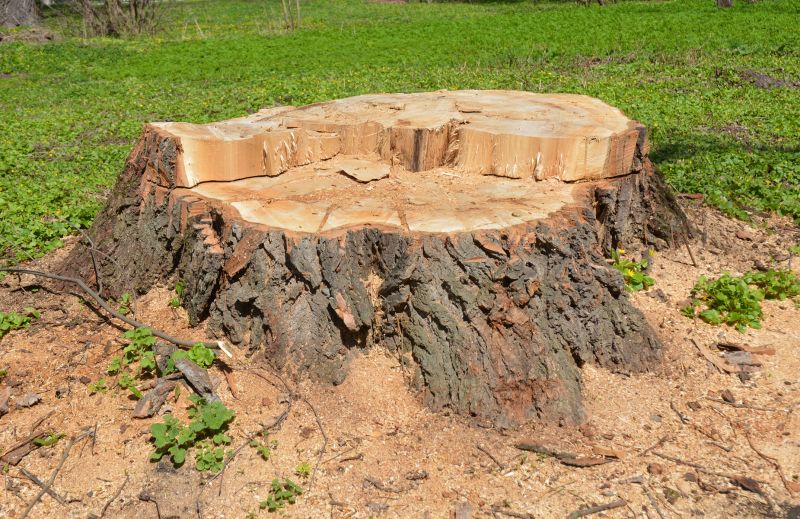
Tree Trunk Removal Questions
When is tree trunk removal necessary? Tree trunk removal is needed when a trunk is severely damaged, decayed, or poses a safety risk to the property or people nearby.
What are common signs a tree trunk should be removed? Signs include large cracks, fungal growth, dead or hanging branches, or leaning trunks indicating instability.
How does trunk removal impact the health of remaining trees? Proper removal minimizes stress on the remaining tree and helps prevent disease spread or further damage.
What should property owners consider before trunk removal? It is important to evaluate the tree’s condition, location, and potential impact on nearby structures or landscape features.
Request Tree Trunk Removal in Calvert County, MD
Use the quote form on this page to share the basics of your project and request more information for the type of work you need.